
There’s a version of myself I became very good at presenting — the one who was “fine.”
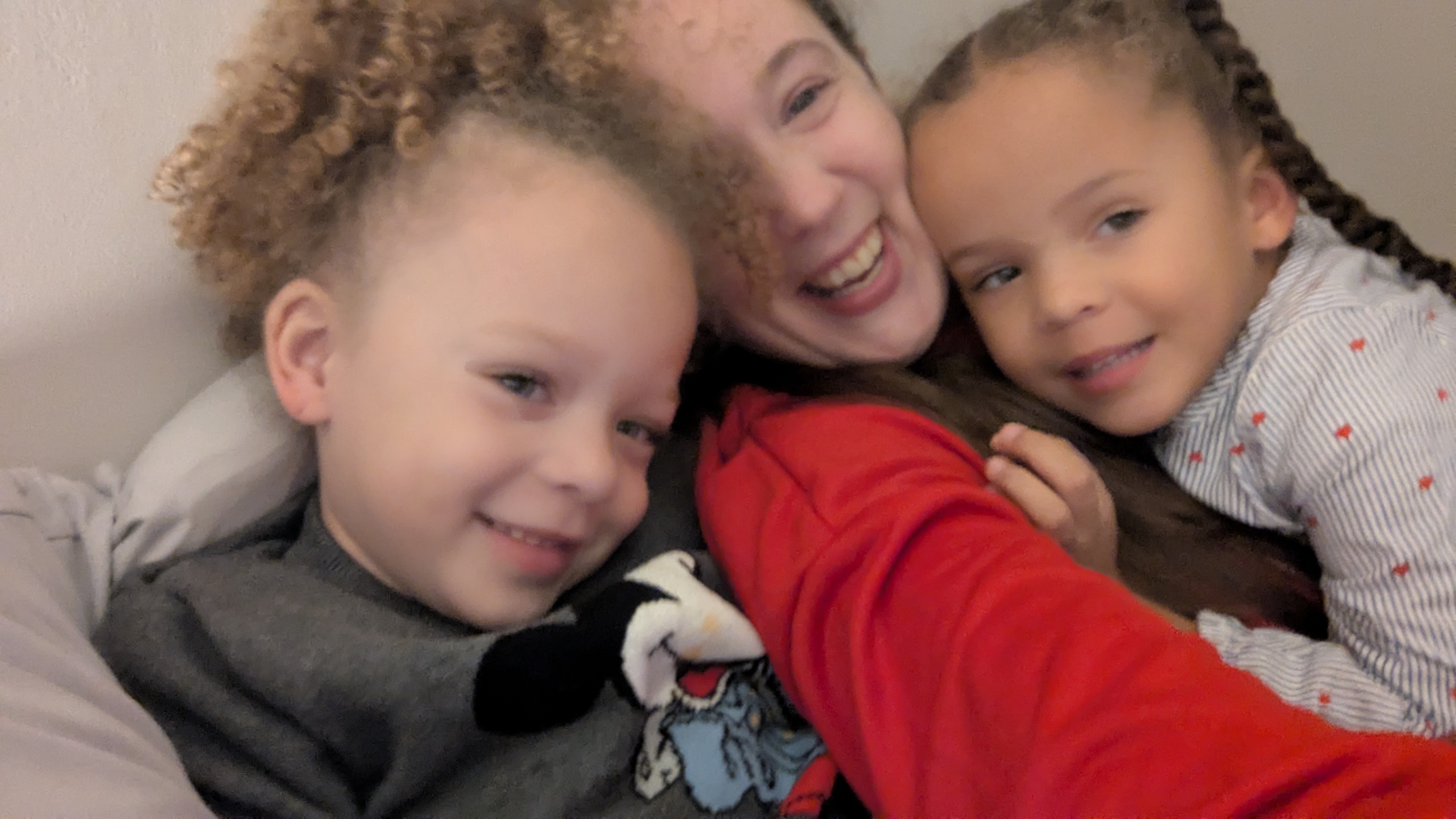
Fine meant functioning. Fine meant getting through the day. Fine meant loving my children deeply while quietly disappearing in the background of my own life. Fine meant surviving without ever stopping to ask whether survival was all there was supposed to be.
Motherhood didn’t just change my routine — it changed my identity. And twin motherhood intensified everything. The responsibility doubled. The mental load multiplied. The margin for error disappeared. Somewhere along the way, survival mode stopped feeling temporary and started feeling permanent.
That’s when pretending I was fine stopped working.
The Identity Shift No One Warns You About
Before I had children, I was a person with preferences, ambitions, thoughts, and space to exist without being constantly needed. After becoming a mother — and especially after becoming a mother of twins — that version of me didn’t vanish overnight. She faded quietly.
No one prepares you for that part.
There’s plenty of talk about sleep deprivation and logistics. There’s far less honesty about the slow erosion of self that happens when your entire nervous system becomes oriented around other people’s needs. When your value is measured by how much you can hold, manage, and absorb without falling apart.
I loved my children. I still do. But loving them didn’t protect me from losing myself.
Burnout Isn’t Loud — It’s Persistent
Burnout didn’t arrive as a dramatic breaking point. It showed up as constant exhaustion. As irritability I couldn’t explain. As a feeling that I was always behind no matter how hard I tried. As the quiet pressure of knowing I was responsible for other humans while feeling increasingly unstable myself.
Add financial stress to that — the need to rebuild income, to create stability, to make smart decisions while already depleted — and the cost of “just pushing through” becomes too high.
This wasn’t about motivation.
It was about capacity.
And my capacity was gone.
Why “Soft Life” Isn’t an Escape Fantasy
When I talk about a soft life, I’m not talking about aesthetics, avoidance, or pretending responsibility doesn’t exist. I’m not chasing an Instagram version of ease.
For me, softness became a necessity — not because life was easy, but because continuing the way I was going wasn’t sustainable.
A soft life is a system.
It’s structure.
It’s boundaries.
It’s stability.
It’s learning how to build a life that doesn’t require constant recovery just to function. It’s choosing strategies that support your nervous system instead of constantly overriding it. It’s deciding that survival mode isn’t a personality trait — it’s a state you’re allowed to leave.
What This Space Is Actually About
Soft Life, Hard Truths exists because I needed a place to be honest about what rebuilding really looks like.
Here, I write about:
- The identity shift that comes with motherhood
- Burnout and chronic survival mode
- Rebuilding income realistically, without hustle culture or fantasy promises
- Creating stability through systems, not willpower
- Using modern tools and technology to reduce mental load, not add to it
- Choosing softness that is grounded, practical, and intentional
This isn’t about doing more.
It’s about doing what actually works.
What I’m Rebuilding — Out Loud
I’m rebuilding my identity without erasing motherhood.
I’m rebuilding income without burning myself out.
I’m rebuilding stability without pretending exhaustion is normal.
I don’t have everything figured out — and I’m not pretending to. What I do have is clarity about what no longer works, and a commitment to document what does with honesty instead of performance.
If you’re here because you’re tired of pretending you’re fine — because something in this resonates — you’re not alone.
We’ll talk about all of it here.
Quietly. Honestly. Strategically.
 Soft Life, Hard Truths
Leave a comment